

Industry News
Why Are PCB Terminal Blocks Essential for Reliable Electrical Connections?
PCB terminal blocks are critical components in modern electronic systems, providing secure and organized wire-to-board connections across industrial automation, power distribution, smart devices, renewable energy systems, and consumer electronics. This comprehensive guide explores their functions, structures, benefits, selection methods, common problems, installation practices, and future trends to help engineers, manufacturers, and buyers make informed decisions.

Table of Contents
- 1. Understanding PCB Terminal Blocks
- 2. How PCB Terminal Blocks Work
- 3. Main Types of PCB Terminal Blocks
- 4. Materials and Construction
- 5. Key Advantages
- 6. Common Applications
- 7. How to Choose the Right PCB Terminal Block
- 8. Common Mistakes Buyers Make
- 9. Installation and Maintenance Tips
- 10. PCB Terminal Block vs Other Connectors
- 11. Industry Trends and Innovations
- 12. Frequently Asked Questions
- 13. Conclusion
1. Understanding PCB Terminal Blocks
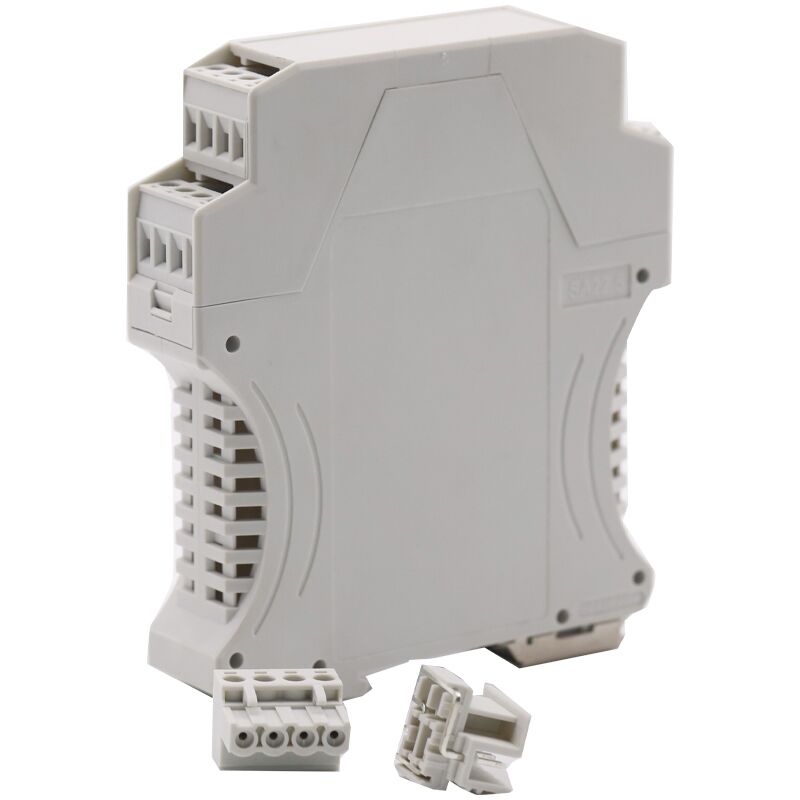
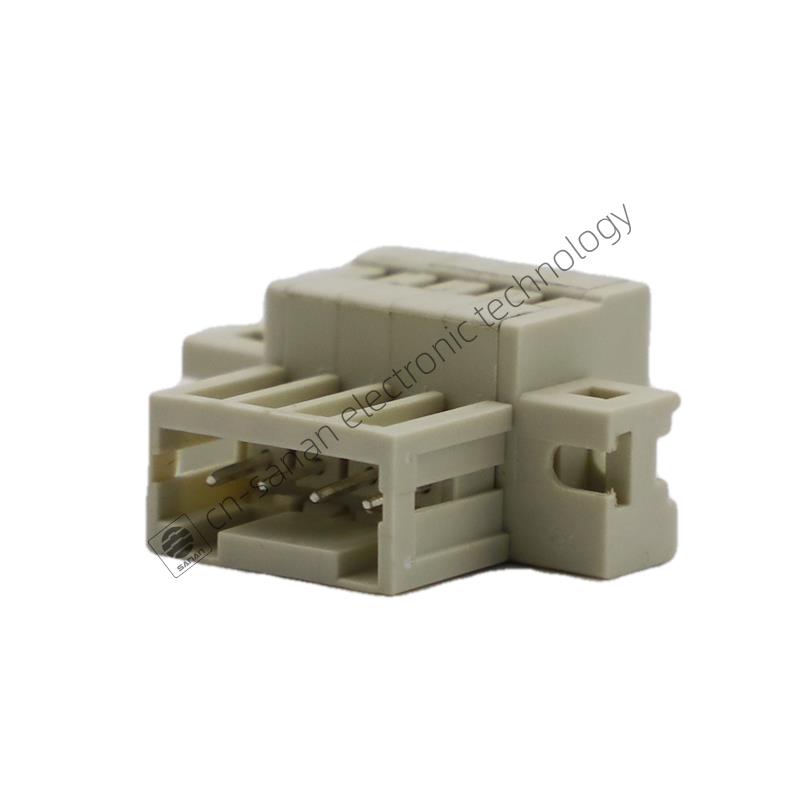
A PCB terminal block is an electrical connector designed to secure wires directly onto a printed circuit board (PCB). It creates a stable electrical connection between external wiring and electronic circuits while simplifying assembly, maintenance, and troubleshooting.
Unlike permanent soldered wire connections, PCB terminal blocks allow users to connect and disconnect wires quickly without damaging the circuit board. This makes them extremely valuable in systems requiring frequent maintenance or component replacement.
These connectors are commonly found in:
- Industrial control systems
- Power supplies
- Security systems
- HVAC equipment
- Telecommunication devices
- Renewable energy equipment
- Automotive electronics
- Smart home products
Key Function: PCB terminal blocks provide safe, organized, and vibration-resistant wire connections while reducing installation time and maintenance complexity.
2. How PCB Terminal Blocks Work
PCB terminal blocks operate by clamping wires into conductive terminals that are mounted directly onto the PCB. Electrical current flows from the external wire through the metal conductor and into the printed circuit board.
Most PCB terminal blocks use one of the following wire fastening methods:
| Connection Method | Description | Advantages |
|---|---|---|
| Screw Clamp | Wire secured using screws | Strong and reliable connection |
| Spring Clamp | Spring pressure holds wire in place | Fast installation and vibration resistance |
| Push-In | Direct insertion connection | Quick assembly |
| Barrier Type | Insulated barriers between terminals | Enhanced safety |
Once connected, the terminal block ensures continuous electrical conductivity while protecting against accidental wire loosening.
3. Main Types of PCB Terminal Blocks
Different applications require different PCB terminal block designs. Understanding the available types helps engineers select the right solution.
Through-Hole PCB Terminal Blocks
These are mounted through drilled holes in the PCB and soldered on the opposite side. They offer excellent mechanical strength and are commonly used in high-vibration environments.
Surface Mount PCB Terminal Blocks
Surface mount designs are attached directly to the PCB surface, supporting automated manufacturing and compact layouts.
Pluggable PCB Terminal Blocks
Pluggable versions allow connectors to be unplugged without disconnecting individual wires. They are ideal for modular equipment and fast maintenance.
Right-Angle PCB Terminal Blocks
Right-angle designs save vertical space and help optimize enclosure layouts.
High-Current PCB Terminal Blocks
Designed for heavy electrical loads, these blocks feature larger conductors and enhanced heat resistance.
Industrial Automation
Reliable signal transmission and durable performance under vibration.
Power Equipment
Handles higher voltage and current requirements safely.
Consumer Electronics
Compact designs support smaller and smarter products.
4. Materials and Construction
The performance of a PCB terminal block depends heavily on its materials and structural design.
| Component | Common Material | Purpose |
|---|---|---|
| Housing | PA66 Nylon | Flame resistance and insulation |
| Conductor | Copper Alloy | Electrical conductivity |
| Plating | Tin or Nickel | Corrosion resistance |
| Screws | Steel | Mechanical fastening |
High-quality materials improve electrical efficiency, thermal stability, and long-term durability.
5. Key Advantages
PCB terminal blocks offer significant benefits for manufacturers, installers, and maintenance teams.
- Easy Wiring: Simplifies cable installation and replacement.
- Reduced Downtime: Faster maintenance and troubleshooting.
- Secure Connection: Strong mechanical wire retention.
- Compact Design: Efficient use of PCB space.
- Scalability: Available in multiple pole configurations.
- Safety: Prevents accidental short circuits.
- Cost Efficiency: Reduces assembly labor costs.
- Flexibility: Supports diverse wire sizes and voltages.
Many engineers prefer PCB terminal blocks because they simplify field maintenance while ensuring reliable electrical performance over long operating periods.
6. Common Applications
PCB terminal blocks are used in nearly every modern electrical industry.
Industrial Control Systems
Factories rely on terminal blocks for sensors, relays, PLCs, and automation systems where vibration resistance and maintenance accessibility are critical.
Renewable Energy
Solar inverters and wind power systems use PCB terminal blocks for efficient power transfer and stable connections under changing environmental conditions.
Medical Equipment
Medical electronics require highly reliable connections for monitoring devices and diagnostic systems.
Transportation
Railway systems, electric vehicles, and charging stations utilize robust terminal blocks for high-current applications.
Smart Buildings
Lighting control systems, security devices, and HVAC equipment depend on organized PCB connections.
7. How to Choose the Right PCB Terminal Block
Selecting the correct PCB terminal block requires careful consideration of technical and environmental requirements.
| Selection Factor | Why It Matters |
|---|---|
| Current Rating | Prevents overheating |
| Voltage Rating | Ensures safe insulation performance |
| Wire Size | Ensures proper compatibility |
| Pitch Size | Affects PCB spacing |
| Mounting Type | Supports layout requirements |
| Operating Temperature | Ensures long-term durability |
| Environmental Protection | Protects against dust and moisture |
Buyers should also verify certifications such as UL, CE, and RoHS compliance when selecting products for international markets.
8. Common Mistakes Buyers Make
Incorrect terminal block selection can lead to costly failures, overheating, or maintenance problems.
- Choosing insufficient current ratings
- Ignoring environmental conditions
- Using incompatible wire sizes
- Selecting low-quality materials
- Improper PCB spacing design
- Ignoring vibration requirements
- Overlooking international safety certifications
Careful technical evaluation helps avoid reliability issues and unexpected downtime.
9. Installation and Maintenance Tips
Proper installation is essential for stable performance and electrical safety.
Installation Best Practices
- Use the correct screwdriver torque.
- Avoid over-tightening screws.
- Strip wire insulation accurately.
- Prevent loose wire strands.
- Follow current and voltage specifications.
- Inspect solder quality for through-hole models.
Maintenance Recommendations
- Inspect connections periodically.
- Check for overheating signs.
- Look for corrosion or discoloration.
- Retighten screws if necessary.
- Clean dust accumulation regularly.
Routine inspection significantly extends the service life of PCB terminal blocks and minimizes electrical failures.
10. PCB Terminal Block vs Other Connectors
| Feature | PCB Terminal Block | Soldered Wire | Crimp Connector |
|---|---|---|---|
| Maintenance | Easy | Difficult | Moderate |
| Installation Speed | Fast | Slow | Fast |
| Reusability | Excellent | Poor | Good |
| Reliability | High | High | High |
PCB terminal blocks provide an excellent balance between reliability, serviceability, and installation efficiency.
11. Industry Trends and Innovations
As electronics continue to evolve, PCB terminal block technology is advancing rapidly.
- Miniaturized high-density designs
- Tool-free push-in technology
- Enhanced vibration resistance
- Smart monitoring integration
- Higher current capacities
- Improved flame-retardant materials
- Environmentally friendly manufacturing
Manufacturers are also developing solutions for Industry 4.0, electric vehicles, and renewable energy systems.
12. Frequently Asked Questions
What is the main purpose of a PCB terminal block?
Its main purpose is to provide secure and removable wire connections to printed circuit boards.
Are PCB terminal blocks reusable?
Yes. Most PCB terminal blocks are designed for repeated wire insertion and removal.
Which industries use PCB terminal blocks the most?
Industrial automation, power systems, renewable energy, telecommunications, transportation, and consumer electronics industries use them extensively.
How do I choose the correct current rating?
Select a terminal block with a current rating higher than your system's maximum expected load to ensure safe operation.
What causes terminal block overheating?
Common causes include loose wiring, excessive current, improper wire size, and poor-quality conductive materials.
Can PCB terminal blocks handle vibration?
Yes. Spring-clamp and high-quality screw-clamp designs offer excellent vibration resistance.
13. Conclusion
PCB terminal blocks play a vital role in ensuring safe, efficient, and maintainable electrical connections across countless industries. Their flexibility, reliability, and ease of installation make them indispensable in modern electronic systems.
Whether used in industrial machinery, renewable energy equipment, transportation systems, or consumer electronics, selecting the right PCB terminal block directly impacts performance, safety, and long-term reliability.
As technology continues to evolve, advanced PCB terminal block solutions will become even more compact, intelligent, and efficient to meet growing market demands.
Ningbo San'an Electronic Technology Co., Ltd. specializes in reliable PCB terminal blocks designed for industrial, commercial, and electronic applications worldwide.
Our experienced team is committed to delivering stable quality, advanced manufacturing, and professional technical support tailored to your project requirements. Contact us today to discuss your PCB terminal block needs and discover dependable connection solutions for your business.