

Industry News
What Makes Electronic Module Housing Enclosure Critical for Modern Device Reliability?
In today’s rapidly evolving electronics industry, protecting sensitive components is no longer optional—it is a fundamental requirement for performance, safety, and longevity. An Electronic Module Housing Enclosure plays a decisive role in shielding electronic systems from environmental stress, mechanical damage, electromagnetic interference, and thermal instability. This article explores the essential functions, materials, design principles, and real-world applications of electronic module enclosures. It also highlights common industry challenges and provides practical guidance for selecting the right enclosure for different applications. Whether used in industrial automation, telecommunications, automotive systems, or smart devices, understanding enclosure technology helps manufacturers and engineers build more reliable and durable products.

Table of Contents
- 1. Introduction: Why Enclosures Matter More Than Ever
- 2. What is an Electronic Module Housing Enclosure?
- 3. Key Functions and Core Value
- 4. Materials and Manufacturing Technologies
- 5. Design Considerations for Performance and Safety
- 6. Industry Applications Across Sectors
- 7. Common Challenges and Engineering Solutions
- 8. How to Choose the Right Enclosure (Comparison Table)
- 9. Future Trends in Enclosure Development
- 10. Maintenance, Durability, and Lifecycle Performance
- 11. Why Manufacturer Capability Matters
- 12. Frequently Asked Questions (FAQ)
- 13. Conclusion and Contact Information
1. Introduction: Why Enclosures Matter More Than Ever
Modern electronic systems are becoming smaller, more powerful, and increasingly sensitive. From industrial control units to IoT devices, internal circuits must operate under extreme conditions while maintaining stability and precision. However, without proper protection, even minor exposure to dust, moisture, vibration, or electromagnetic noise can lead to system failure.
This is where the Electronic Module Housing Enclosure becomes indispensable. It acts as the first line of defense, ensuring internal components remain protected while also supporting thermal management, structural integrity, and signal reliability.
As industries continue to digitize and automate processes, the demand for robust enclosure solutions has grown significantly. Engineers now face the challenge of balancing compact design with high durability, all while maintaining cost efficiency and compliance with international standards.
2. What is an Electronic Module Housing Enclosure?
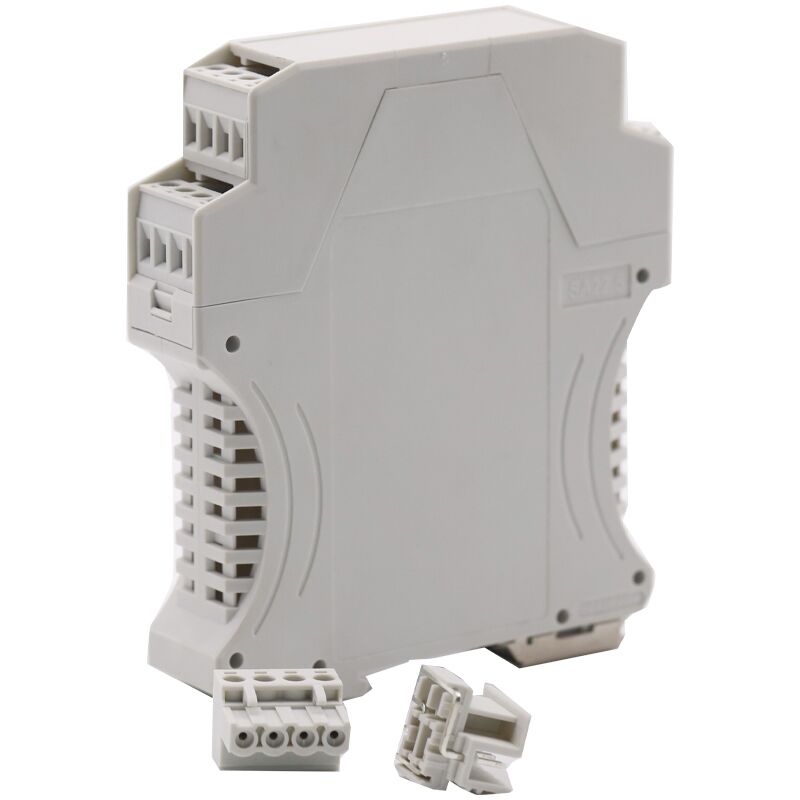
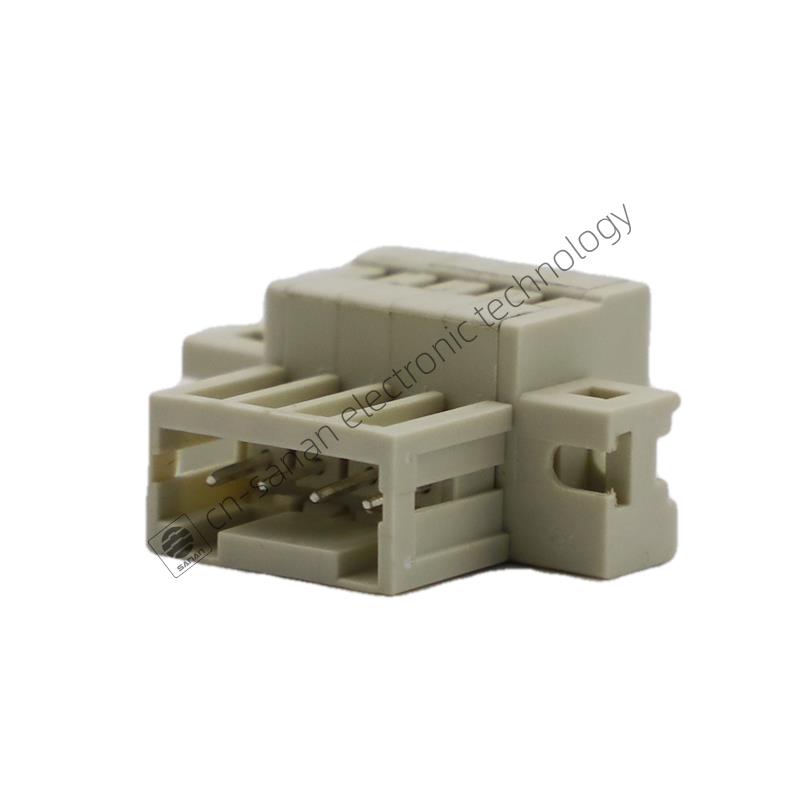
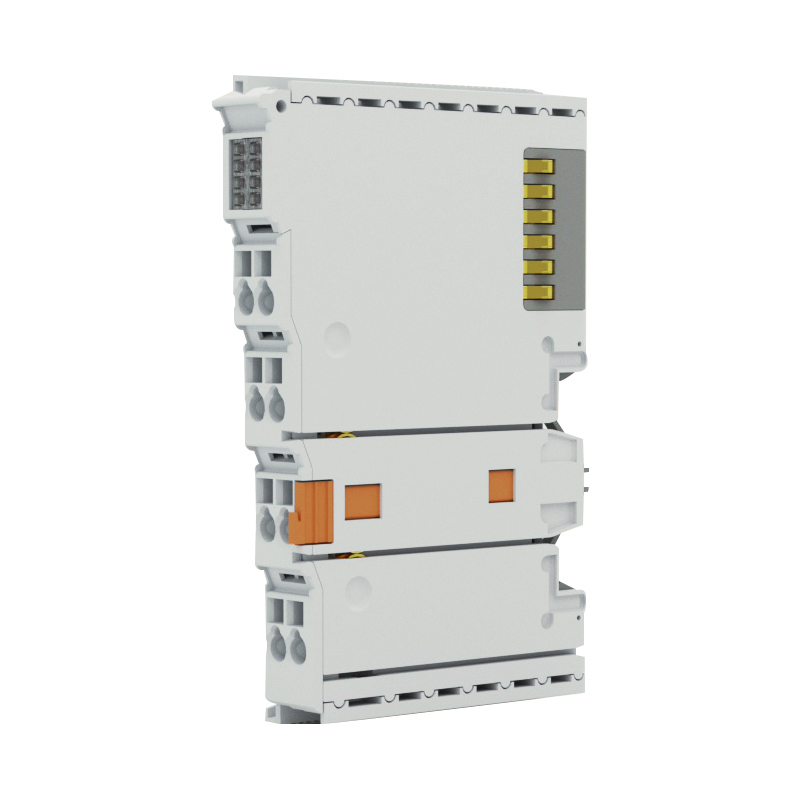
An Electronic Module Housing Enclosure is a protective casing designed specifically to house electronic circuits, modules, and components. It serves multiple purposes beyond physical protection, including insulation, shielding, heat dissipation, and structural support.
These enclosures are commonly used in:
- Industrial automation systems
- Telecommunication equipment
- Automotive control modules
- Medical electronic devices
- Consumer electronics
Depending on the application, enclosures can be compact or large-scale, modular or fixed, and made from various materials such as plastics, aluminum alloys, or composite materials.
3. Key Functions and Core Value
The role of an electronic module housing enclosure extends far beyond simple protection. Its core functions include:
- Mechanical Protection: Prevents physical damage from impact, vibration, and pressure.
- Environmental Isolation: Shields against dust, moisture, chemicals, and temperature extremes.
- Electromagnetic Shielding: Reduces interference that could disrupt signal integrity.
- Thermal Management: Helps dissipate heat generated by internal components.
- Structural Integration: Supports internal mounting and assembly of electronic parts.
Without these functions, electronic systems would suffer from instability, reduced lifespan, and frequent failures, especially in demanding environments.
4. Materials and Manufacturing Technologies
The performance of an enclosure largely depends on the material used and the manufacturing process. Different materials offer distinct advantages depending on the application.
| Material | Advantages | Typical Applications |
|---|---|---|
| Aluminum Alloy | Lightweight, excellent heat dissipation, strong EMI shielding | Industrial control systems, telecom devices |
| ABS Plastic | Low cost, easy molding, lightweight | Consumer electronics, IoT devices |
| Polycarbonate | High impact resistance, transparency options | Outdoor equipment, protective covers |
| Stainless Steel | High durability, corrosion resistance | Medical and harsh environments |
| Composite Materials | Customizable strength-to-weight ratio | Aerospace and advanced systems |
Modern manufacturing methods such as CNC machining, injection molding, die casting, and 3D prototyping allow for precise and scalable enclosure production.
5. Design Considerations for Performance and Safety
Designing an effective enclosure requires balancing multiple engineering requirements. Poor design can lead to overheating, interference issues, or mechanical failure.
Key design considerations include:
- Thermal Design: Ensuring proper airflow or heat sinking mechanisms.
- Ingress Protection (IP Rating): Determining resistance to dust and water.
- EMI Shielding Design: Preventing electromagnetic leakage or interference.
- Mounting Structure: Allowing easy assembly and maintenance.
- Size Optimization: Balancing compactness with internal space requirements.
A well-designed enclosure ensures long-term stability while minimizing maintenance costs and system downtime.
6. Industry Applications Across Sectors
Electronic module housing enclosures are used across a wide range of industries, each with unique requirements.
- Industrial Automation: Protects PLC systems, sensors, and controllers.
- Automotive Industry: Used in ECUs, battery management systems, and infotainment units.
- Telecommunications: Houses routers, switches, and communication modules.
- Healthcare: Protects diagnostic and monitoring devices.
- Smart Devices: Supports IoT and home automation systems.
Each industry requires different levels of protection, durability, and customization, making enclosure engineering a highly specialized field.
7. Common Challenges and Engineering Solutions
Despite advancements in design and manufacturing, several challenges still exist in enclosure development.
- Overheating: Solved by improved thermal conduction materials and ventilation design.
- Electromagnetic Interference: Addressed through conductive coatings and shielding structures.
- Water and Dust Exposure: Improved sealing technologies and IP-rated designs.
- Space Constraints: Compact modular designs and 3D-optimized layouts.
- Cost vs Performance Balance: Material optimization and scalable production techniques.
Solving these challenges requires a combination of engineering expertise and manufacturing precision.
8. How to Choose the Right Enclosure (Comparison Table)
Selecting the correct enclosure depends on application requirements. Below is a simplified comparison guide:
| Requirement | Recommended Material | Key Benefit |
|---|---|---|
| High heat dissipation | Aluminum Alloy | Efficient thermal management |
| Low-cost consumer use | ABS Plastic | Economical production |
| Harsh environment | Stainless Steel | Maximum durability |
| Outdoor electronics | Polycarbonate | Impact and weather resistance |
| Advanced engineering systems | Composite Materials | Custom performance optimization |
9. Future Trends in Enclosure Development
The future of electronic module housing enclosures is driven by innovation in materials, manufacturing, and system integration.
- Integration of smart thermal monitoring systems
- Use of lightweight composite materials
- Advanced 3D printing for rapid prototyping
- Improved electromagnetic shielding technologies
- Miniaturization for compact electronic systems
As electronic systems continue to evolve, enclosures will become more intelligent, adaptive, and multifunctional.
10. Maintenance, Durability, and Lifecycle Performance
Proper maintenance ensures long-term enclosure performance. While most enclosures are designed for durability, environmental conditions and operational stress can still affect their lifespan.
Maintenance recommendations include:
- Regular inspection for physical damage or corrosion
- Cleaning to prevent dust accumulation
- Checking sealing integrity for waterproof models
- Monitoring thermal performance in high-load systems
High-quality enclosures significantly reduce maintenance frequency and improve system uptime.
11. Why Manufacturer Capability Matters
The performance of an Electronic Module Housing Enclosure depends heavily on the manufacturer’s engineering capability, quality control systems, and material expertise. A reliable manufacturer ensures consistent product performance, compliance with industrial standards, and customization flexibility.
Companies with advanced production systems and strict testing procedures are better equipped to deliver enclosures that meet demanding industry requirements.
One such manufacturer is Ningbo San'an Electronic Technology Co., Ltd., which specializes in high-quality enclosure solutions designed for industrial, automotive, and electronic applications. Their focus on precision engineering and material innovation helps customers achieve reliable system performance in diverse environments.
12. Frequently Asked Questions (FAQ)
Q1: What is the main purpose of an electronic module housing enclosure?
It protects electronic components from environmental, mechanical, and electromagnetic damage while supporting thermal and structural performance.
Q2: Which material is best for industrial applications?
Aluminum alloy is widely used due to its strength, heat dissipation, and shielding capabilities.
Q3: Can enclosures be customized?
Yes, most manufacturers offer customization in size, material, design, and surface treatment based on application needs.
Q4: How do enclosures help with overheating?
They use thermal conductive materials, ventilation structures, and heat sinks to manage internal temperatures effectively.
Q5: What industries rely most on these enclosures?
Industries such as automotive, industrial automation, telecommunications, and healthcare rely heavily on them.
13. Conclusion and Contact Information
The Electronic Module Housing Enclosure is a fundamental component in modern electronic system design. It ensures reliability, safety, and performance across a wide range of industries. As devices become more compact and powerful, the demand for advanced enclosure solutions continues to grow.
Choosing the right enclosure requires careful consideration of materials, design, environmental conditions, and application requirements. Working with an experienced manufacturer can significantly improve product quality and long-term system stability.
For high-quality enclosure solutions tailored to your specific project needs, Ningbo San'an Electronic Technology Co., Ltd. provides professional engineering support and manufacturing expertise.
Contact us today to discuss your requirements and explore customized enclosure solutions designed for performance, durability, and innovation.