

Industry News
What Makes Terminal Blocks the Key to Safer and More Efficient Electrical Connections?
Terminal blocks serve as fundamental connection units used to secure, organize, and distribute electrical wiring across residential, commercial, and industrial applications. Their primary purpose is to ensure that electrical circuits remain stable, safe, and easy to maintain. As electrical systems grow more complex, the need for reliable connection components becomes even more critical.
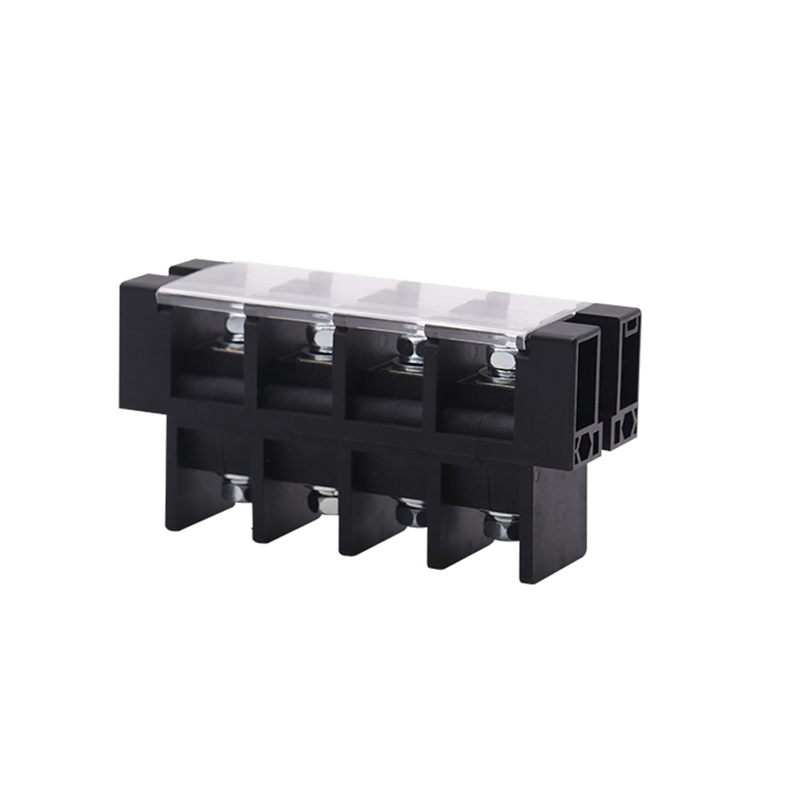
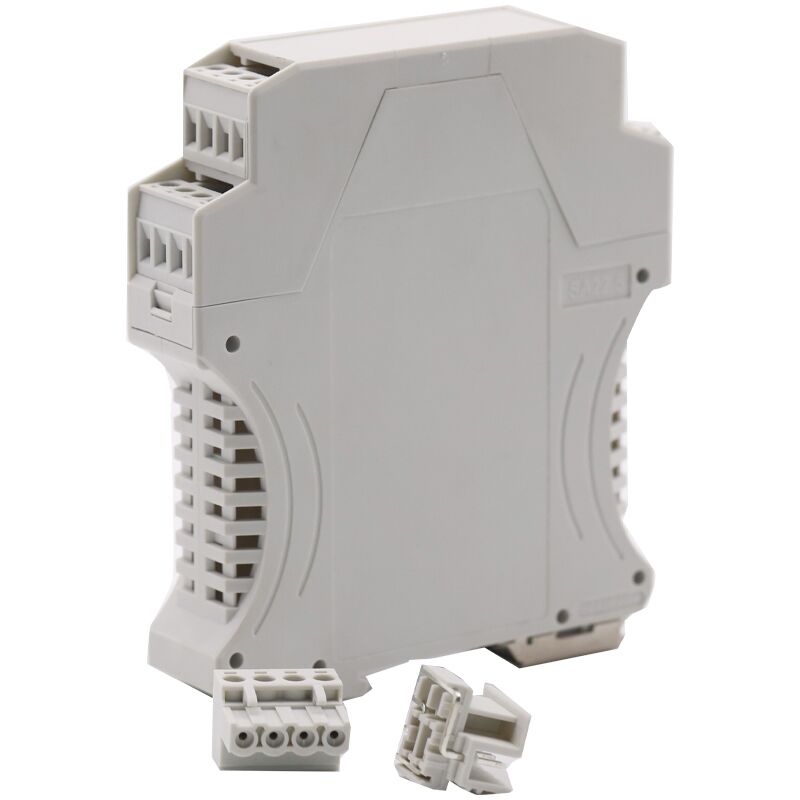
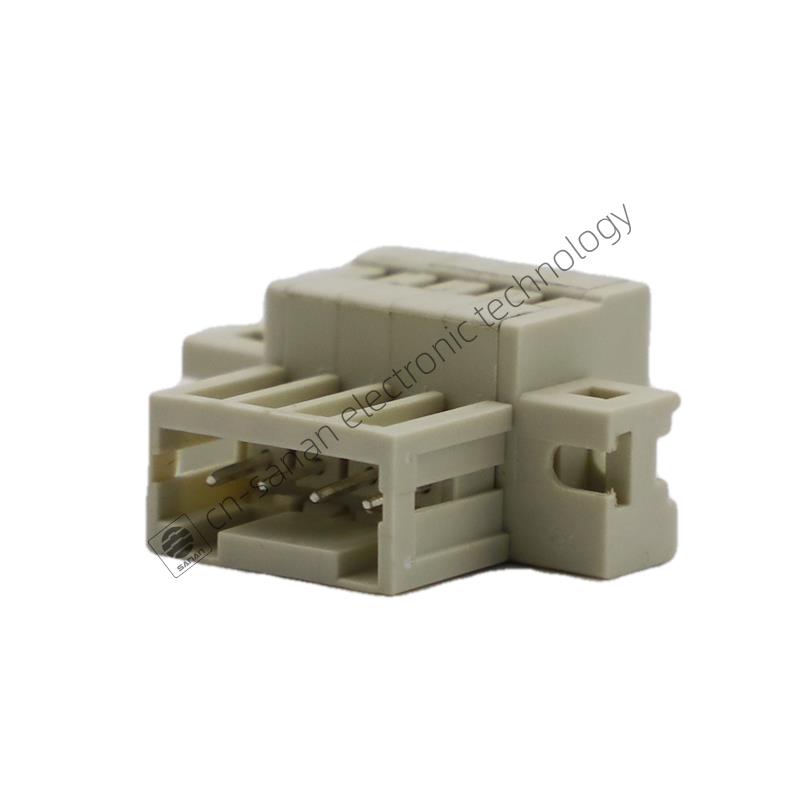
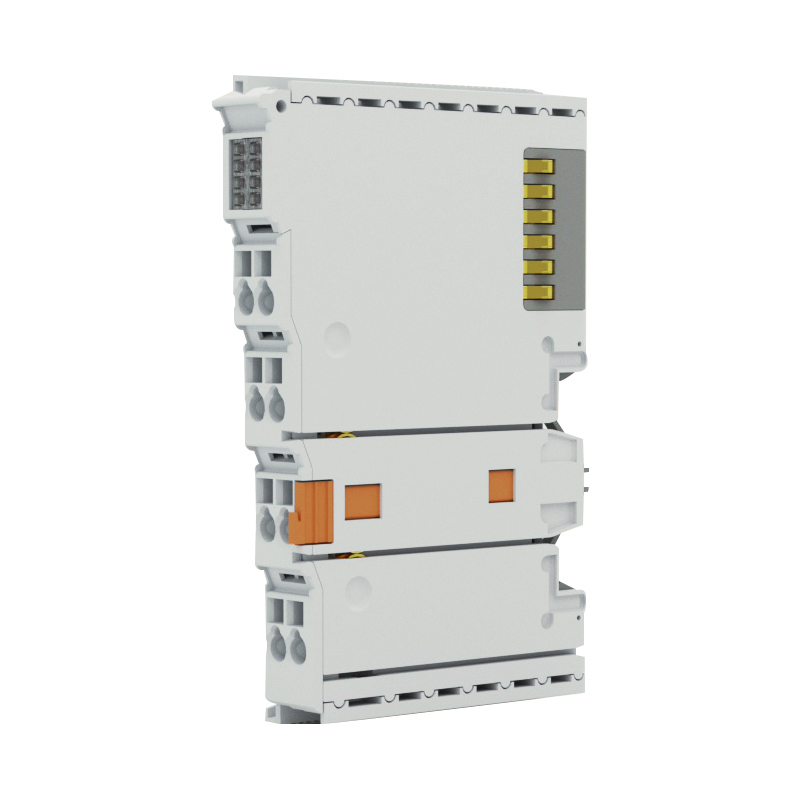
Terminal blocks are designed to simplify wiring, reduce installation errors, and maintain system integrity. Whether used in machinery, power distribution, automation controls, or industrial panels, they provide a secure connection point where wires can be inserted and clamped. Their structure includes an insulating body, conductive metal components, and clamping mechanisms. These features safeguard electrical circuits against loosening, vibration, overloads, and environmental influences.
Main Product Parameters (List Format)
A professional understanding of terminal blocks requires a clear view of their specifications. Below are typical parameters used to evaluate product quality and performance:
-
Rated Voltage: 250V–1000V depending on model
-
Rated Current: 5A–500A
-
Wire Size Compatibility: AWG 26–AWG 2
-
Insulation Material: Polyamide 66 (PA66) / Polycarbonate / Phenolic Resin
-
Temperature Resistance: -40°C to +125°C
-
Mounting Type: DIN rail mount or panel mount
-
Contact Material: Copper alloy with tin or nickel plating
-
Clamping Method: Screw type, spring clamp, push-in, barrier type
-
Flame Resistance: UL94 V-0
-
Torque Requirement: 0.4–2.5 Nm depending on type
-
Standards Compliance: UL, CSA, IEC, CE
Understanding these parameters helps determine how a terminal block performs under different electrical loads, environmental challenges, and installation conditions. High-quality insulation materials and durable clamping structures are essential for long service life and enhanced safety.
Why Do Terminal Blocks Stand Out in Electrical Engineering Applications?
The importance of terminal blocks extends beyond simple wire connections. They have become essential for enhancing safety, improving convenience, and reducing downtime in maintenance or system upgrades. But why do industries rely heavily on terminal blocks?
Improved Safety in Electrical Distribution
Terminal blocks prevent accidental short circuits, wire slippage, and arc formation. Their insulated housing reduces the risk of electrical shock and fire hazards, making them indispensable in high-voltage environments.
Enhanced Wiring Organization
Control panels benefit from neat and structured wiring, which is critical for troubleshooting and scalability. Terminal blocks facilitate multi-level wiring, labeling, and grouping.
Reduced Maintenance Time
Because they allow easy disconnection and reconnection of wires, technicians can perform repair work or equipment upgrades faster and more efficiently.
Versatile Applications Across Industries
Terminal blocks are widely used in:
-
Industrial automation
-
Power distribution panels
-
Rail transportation systems
-
Renewable energy systems
-
HVAC control systems
-
Machinery and robotics
-
Building wiring systems
Their versatility stems from the various clamping technologies available. Screw-type blocks offer robust mechanical strength, while spring-clamp or push-in blocks provide fast and tool-free wiring solutions.
Why Their Material Quality Matters
High-grade copper alloy ensures lower contact resistance, preventing overheating under high current. Flame-retardant PA66 insulation protects circuits exposed to heat, chemicals, or vibration.
Why Terminal Blocks Drive Reliability in Connected Systems
In electrical engineering, a single loose wire can cause system shutdown or severe electrical failure. Terminal blocks prevent this risk through stable mechanical clamping and corrosion-resistant contact surfaces.
How Do Terminal Blocks Function and How Are They Used in Practical Applications?
Terminal blocks operate by creating a secure, conductive interface between two or more electrical wires. Their design allows wires to be inserted into a metal conductor and secured firmly by mechanical pressure.
How Terminal Blocks Work
-
Wire Preparation: Strip insulation from the end of the wire.
-
Insertion: Insert the wire into the clamping unit.
-
Clamping: The screw or spring clamps down on the wire conductor.
-
Current Flow: Electrical current travels through the metal conductor inside the block.
-
Distribution: Additional circuits connect through bridging accessories or multiple terminals.
How They Improve Electrical Efficiency
By offering low contact resistance and stable conduction paths, terminal blocks reduce energy loss and heating. They also allow uniform distribution of power across multiple outputs, which is essential in control systems.
How Engineers Select the Right Terminal Block Type
Selection depends on:
-
Electrical load capacity
-
Installation environment
-
Wiring frequency
-
Panel space availability
-
Safety standards
-
Mounting style
For instance, spring-clamp blocks are recommended for environments with strong vibrations, such as trains and industrial machinery. Screw-type blocks fit stable environments that require higher torque strength.
How Terminal Blocks Contribute to System Expansion
Electric panels often require modification as systems scale. Terminal blocks allow new circuits to be added without rewiring the entire panel, supporting long-term expandability.
How Future Trends Are Shaping Terminal Block Development
Future electrical systems demand compact design, higher performance, and easier installation. Trends include:
-
Tool-free push-in connection technology
-
Higher temperature resistance
-
Increased current-carrying capabilities
-
Smart terminal blocks with signal detection
-
Modular, multi-level block systems
-
More eco-friendly insulation materials
-
Improved vibration-proof mechanisms
As automation, renewable energy, and digital systems expand globally, terminal block technologies continue evolving to support faster, safer, and more flexible wiring.
What Are the Most Common Questions About Terminal Blocks? (Q&A Section)
Q1: What types of terminal blocks are most commonly used?
A: The main types are screw terminal blocks, spring-clamp terminal blocks, push-in terminal blocks, barrier terminal blocks, and feed-through terminal blocks. Screw types provide strong mechanical strength, spring clamps offer fast vibration-resistant wiring, push-in types support tool-free installation, barrier types isolate wires for safety, and feed-through types simplify wire-to-wire connection. The choice depends on electrical load, installation conditions, and maintenance requirements.
Q2: How should the correct wire size be selected for a terminal block?
A: Wire size selection must match the terminal block’s rated wire gauge range and current capacity. Using undersized wires risks overheating and voltage drops, while oversized wires may not fit securely, leading to poor clamping and potential system failure. Always verify AWG compatibility, insulation thickness, and conductor material according to the block’s specifications.
Q3: What causes terminal block failure and how can it be prevented?
A: Common causes include loose connections, corrosion, overloads, vibration impact, and using the wrong terminal type for the application. Prevention involves proper torque application, selecting corrosion-resistant materials, ensuring correct current ratings, using vibration-resistant blocks when necessary, and conducting regular maintenance checks. High-quality materials and precise installation significantly extend product lifespan.
How Will Terminal Blocks Continue to Shape Future Electrical Systems?
Terminal blocks will remain essential in global electrical engineering and industrial automation due to their ability to ensure safe, structured, and efficient wiring. As electrical networks expand and system reliability becomes increasingly important, demand for high-performance terminal blocks continues to rise. Innovations in quick-connect technology, compact design, and advanced materials will shape the next generation of electrical components.
High-quality terminal blocks, such as those provided by Sanan, support safety, durability, and performance across all wiring applications. For professional engineering solutions and reliable connection systems, contact us for more product details and technical support.